
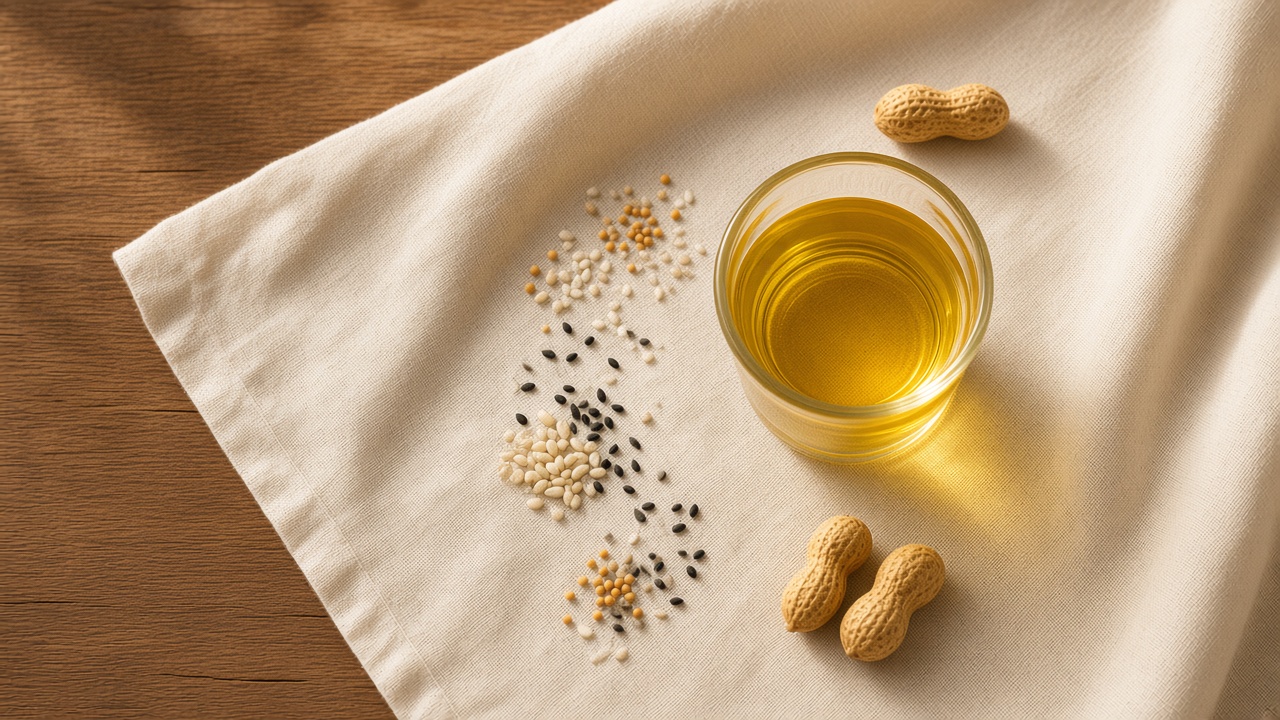
Mustard Oil vs Other Oils for Cooking: A Comparative Analysis
Choosing the right cooking oil is crucial for both flavor and health. With numerous options available, Priya's careful evaluation of alternatives stands out. Among them, mustard oil presents unique characteristics when compared to other oils like refined vegetable oil, groundnut oil, and sesame oil. This article dives deep into the differences, benefits, and uses of mustard oil against its counterparts.
What is Mustard Oil?
Mustard oil, derived from the seeds of the mustard plant, is a staple in Indian kitchens. It is known for its pungent flavor and high smoking point, making it suitable for various cooking methods, including frying, sautéing, and pickling. Mustard oil is often praised for its potential health benefits, thanks to its unique fatty acid profile.
Comparing Cooking Oils: Nutritional Profiles
When evaluating mustard oil against other cooking oils, it's essential to consider their nutritional content:
- Mustard Oil: High in monounsaturated fats and omega-3 fatty acids. Contains erucic acid, which can be beneficial in moderation.
- Refined Vegetable Oil: Often high in omega-6 fatty acids. The refining process strips away many nutrients and flavors.
- Groundnut Oil: Rich in monounsaturated fats and vitamin E, making it a heart-friendly option.
- Sesame Oil: Contains sesamolins and antioxidants, known for their potential health benefits.
Health Benefits of Mustard Oil
Mustard oil is often highlighted for several health benefits. Some studies suggest that it may help in reducing cholesterol levels and improving heart health. It also has antimicrobial properties, which can enhance food safety. However, moderation is key. Excess consumption may lead to adverse effects due to its erucic acid content.
People Also Ask: Is Mustard Oil Better Than Refined Oils?
The preference for mustard oil over refined oils often hinges on taste, nutritional value, and cooking properties. Mustard oil retains its flavor even at high temperatures, while refined oils tend to have a neutral taste. This makes mustard oil a preferred choice for dishes that require a robust flavor profile.
Cooking and Flavor: How Do They Compare?
Each oil has its distinct flavor, which can significantly impact your dishes:
- Mustard Oil: Provides a sharp, pungent taste that enhances the overall flavor of curries and stir-fries.
- Groundnut Oil: Offers a nutty flavor, making it ideal for Asian dishes and snacks.
- Sesame Oil: Adds a rich, toasty flavor, often used in dressings and marinades.
- Refined Oils: Lacks distinctive flavors, which can make dishes taste bland.
For those seeking a robust flavor in their cooking, NectarB's Wood Pressed Mustard Oil is a great option. It retains the natural taste of mustard while being batch dated and QR traced for quality assurance.
Using Mustard Oil in Everyday Cooking
Incorporating mustard oil into your cooking is straightforward. It works well for frying, sautéing, and even salad dressings. Its high smoke point (around 250°C) makes it suitable for high-heat cooking. If you're looking for versatility, mustard oil can easily replace refined oils in most recipes.
As you weigh the options between mustard oil and other cooking oils, consider not just the health benefits but also the flavors and cooking properties each oil brings. Mustard oil offers a unique combination of taste and potential health benefits, making it a worthy addition to your kitchen.
Explore our range of oils at NectarB and see for yourself how batch dated and QR traced oils can enhance your cooking experience. Trust in quality and flavor with every bottle you purchase.