
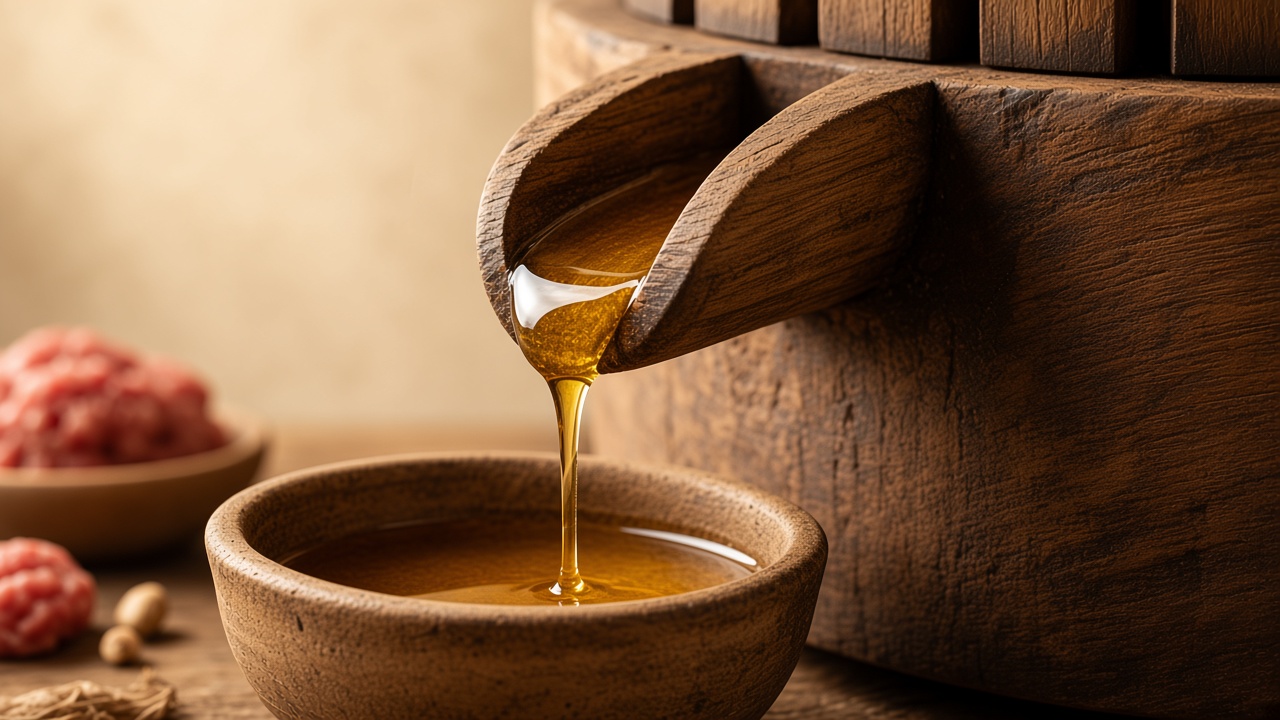
Understanding Cooking Oil Quality
Choosing the right cooking oil can significantly impact your health and culinary experience. However, with so many options available, how can you determine the quality of cooking oil? This article will guide you through essential tips to check the quality of cooking oil, ensuring you make informed choices in your kitchen.
Key Characteristics of Quality Cooking Oil
When examining cooking oils, several factors come into play. Here are the key characteristics to look for:
- Color: Quality oils have a vibrant color. For example, cold-pressed oils often have a rich hue, indicating freshness.
- Smell: A fresh, pleasant aroma is essential. If the oil smells rancid or off, it’s likely past its prime.
- Taste: High-quality oils should have a distinct flavor that enhances your dishes. Taste a small amount to assess its quality.
- Packaging: Oils in dark glass or metal containers last longer than those in clear plastic. UV light can degrade oil quality.
How to Check Quality of Cooking Oil
To confidently assess the quality of your cooking oil, consider the following steps:
- Check the label: Look for batch dating and QR traceability, which indicate transparency in the product. For instance, at NectarB, you can see when the oil was pressed and track its journey.
- Perform a smell test: Open the bottle and take a whiff. Fresh oils should smell clean and rich. If it has a stale scent, don’t use it.
- Conduct a taste test: A small taste can reveal a lot. Quality oils should have a pleasant, robust taste. If it’s bland or has a bitter aftertaste, it’s not fresh.
- Look for sediment: Quality oils should be clear. Sediments can indicate poor filtration processes.
People Also Ask: What Are the Signs of Rancid Cooking Oil?
Rancid cooking oil can harm your health and ruin your meals. Here are signs that your oil may be rancid:
- Off-smell: If your oil smells like crayons or has a sour odor, it’s likely rancid.
- Strange flavor: A bitter or metallic taste is a clear indicator of spoilage.
- Cloudiness: If the oil is cloudy or has a thick consistency, it may be old or improperly stored.
Why Choose Wood Pressed Oils?
Wood pressed oils, such as NectarB's Wood Pressed Mustard Oil, are produced using traditional methods that preserve their natural properties. Unlike refined oils, these oils retain their flavor and nutrients. Here’s why you should consider them:
- Better flavor: Wood pressed oils often have a richer taste that enhances your cooking.
- Less processing: They undergo minimal processing, keeping the oil closer to its natural state.
- Transparency: With batch dating and QR tracing, you know exactly when your oil was made and how it was processed.
Final Thoughts on Choosing Quality Cooking Oil
Understanding how to check the quality of cooking oil empowers you to make healthier choices in your kitchen. Always opt for oils that are transparent about their production, like those offered by NectarB. By following these tips, you can enjoy cooking with oils that are not only flavorful but also beneficial for your health.