
Understanding Oil Extraction Methods
When it comes to cooking oils, the extraction method plays a crucial role in determining the quality and flavor. Among the popular methods, wood pressed and cold pressed oils are often discussed. Both techniques have their own advantages and nuances. This article explores the difference between wood pressed and cold pressed oils, helping you make an informed choice for your kitchen.
What is Wood Pressed Oil?
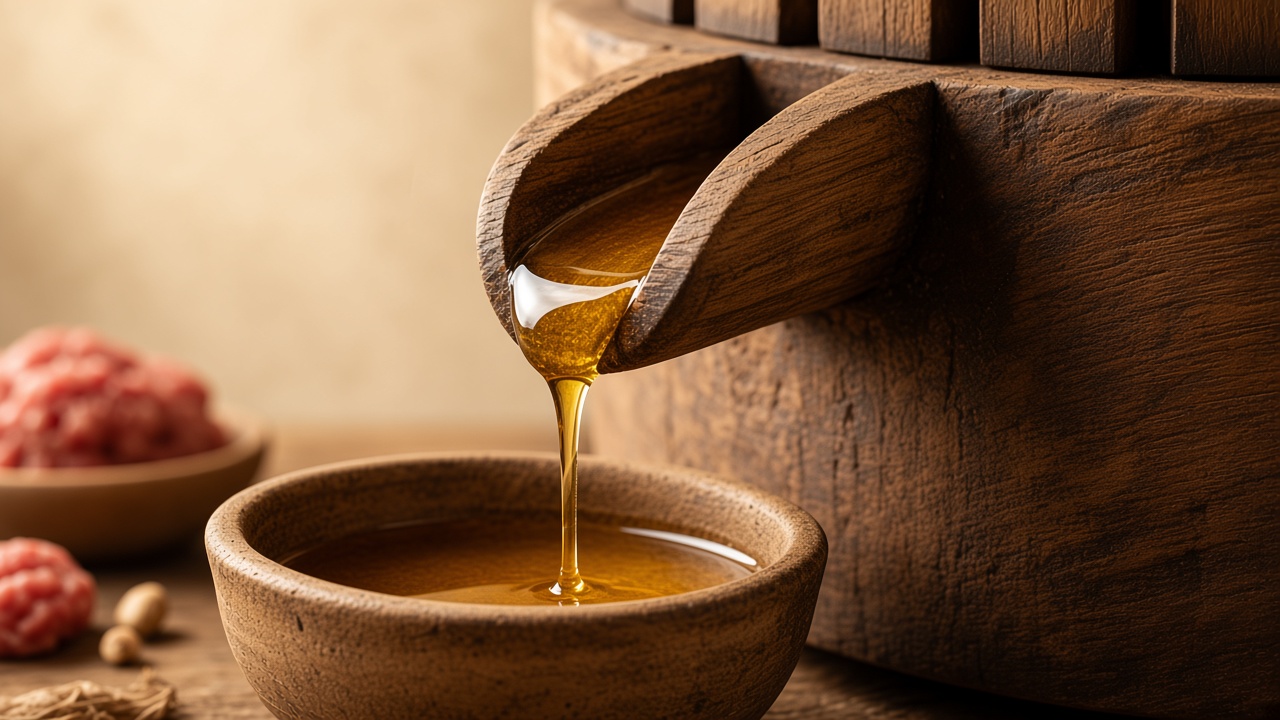
Wood pressed oil, also known as traditional oil, is extracted using wooden gears or a wooden press. This method uses a slow and gentle process that helps retain the oil's natural properties. The friction generated is minimal, resulting in less heat and preserving flavor and aroma.
One of the significant benefits of wood pressed oil is its rich taste, which is often described as more robust compared to oils extracted using modern methods. At NectarB, we offer wood pressed mustard oil, which exemplifies this rich flavor profile.
What is Cold Pressed Oil?
Cold pressed oil is extracted using a similar method but with a different technique. Here, seeds are pressed without applying heat. This process is usually done using mechanical presses that do not exceed a certain temperature. The goal is to maintain the oil's quality by preventing oxidation and preserving nutrients.
Cold pressed oils are popular for their light texture and delicate flavor. They often have a higher smoke point than wood pressed oils, making them suitable for various cooking methods. You can find cold pressed sesame oil at NectarB, perfect for stir-fries and dressings.
People Also Ask: Which is Healthier: Wood Pressed or Cold Pressed Oils?
The health benefits of both wood pressed and cold pressed oils largely depend on the type of oil and its intended use. Wood pressed oils are often touted for their rich flavor and aroma, while cold pressed oils are praised for their lightness and versatility. However, there are key differences in nutrient retention. Cold pressed oils generally retain more nutrients due to the lower heat exposure during extraction. That said, wood pressed oils may offer unique antioxidants that can enhance flavor in cooking.
Key Differences Between Wood Pressed and Cold Pressed Oils
- Extraction Method: Wood pressed oils are extracted using wooden gears, while cold pressed oils use mechanical presses.
- Heat Exposure: Wood pressed oils may experience slight heat from friction, whereas cold pressed oils are extracted without additional heat.
- Flavor: Wood pressed oils tend to have a more robust flavor, while cold pressed oils are generally lighter and milder.
- Nutrient Retention: Cold pressed oils usually retain more nutrients and antioxidants due to lower heat exposure.
- Smoke Point: Cold pressed oils often have a higher smoke point, making them suitable for high-heat cooking.
Choosing the Right Oil for Your Cooking Needs
Choosing between wood pressed and cold pressed oils depends on your cooking style and flavor preferences. If you enjoy intense flavors, wood pressed oils like wood pressed groundnut oil may be the right choice. On the other hand, if you're looking for versatility and lighter oils, cold pressed options could serve you better.
It's essential to consider the specific oil type, its intended culinary use, and even any health considerations. Always check for batch dated and QR traced oils to ensure transparency in your purchase.
Understanding the difference between wood pressed and cold pressed oils can enhance your cooking experience. Explore various oils to find what suits your taste and health needs best.